What Happens If You Delay Needed Gutter Repair?
@emilianodamz072
October 19, 2026 · 14 min read
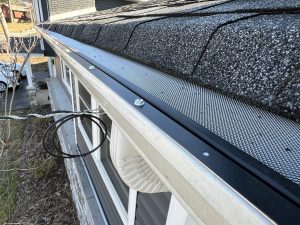
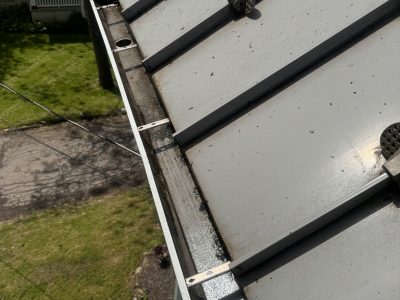
A damaged gutter rarely looks dramatic at first. That is part of the problem. A small leak at a seam, a section that pitches the wrong way, a downspout that pulls loose from the wall, these issues tend to feel cosmetic until the first hard rain exposes what has really been happening. By then, the gutter is no longer just a metal channel at the roof edge. It has become the weak point in the entire water management system of https://daltonbffq461.fairmontdigest.com/posts/how-to-fix-improper-pitch-with-targeted-gutter-repair the house.
Homeowners often put off gutter repair because the symptoms seem minor and the house still appears dry inside. I have seen that decision play out many times. Someone notices a drip over the front porch and decides to watch it for a season. Another homeowner sees overflow near the garage and assumes it is just a heavy-rain issue. A third has a corner section separating from the fascia but thinks it can wait until the roof is replaced next year. Sometimes they get lucky for a while. More often, the repair that would have been simple turns into several repairs in different parts of the property.
The trouble with delayed gutter repair is that water does not stay where it starts. It follows gravity, exploits gaps, softens wood, stains masonry, erodes soil, and finds paths into basements and crawl spaces. By the time visible damage appears indoors, the cost has usually multiplied.
Gutters do more than most people realize
A gutter system has one job, but it is an important one: collect roof runoff and move it away from the structure in a controlled way. That sounds straightforward, yet the amount of water involved is larger than many homeowners expect. A modest rain on a typical roof can shed hundreds of gallons in a short period. During a downpour, that flow becomes intense enough to expose every weakness in the system.
When gutters are working properly, they protect the fascia, soffits, siding, window trim, foundation perimeter, landscaping beds, walkways, and lower roof components. They also reduce splashback against the walls, which matters more than it sounds. Repeated wetting of siding and trim is one of the quiet ways houses age faster than they should.
When gutters fail, the roof runoff does not disappear. It simply lands somewhere else, usually somewhere expensive.
The first stage of neglect looks harmless
The early warning signs are easy to rationalize. A drip at one corner. A small rust spot. A little standing water in the trough. One downspout that clogs more often than the others. Fasteners backing out. Paint bubbling on the fascia board. These are not dramatic failures, and that is why people ignore them.
In the first stage, delayed gutter repair usually causes nuisance problems rather than major structural ones. You might notice muddy trenches below roof edges, peeling paint around the eaves, or overflow that dumps water onto a patio. On a dry week, the house looks normal again. That cycle encourages procrastination.
But water damage is cumulative. Materials do not reset between storms. Wood that gets wet repeatedly does not need to be soaked every day to deteriorate. Soil does not need one catastrophic washout to start shifting. Seams that leak a little tend to leak more as debris collects and fasteners loosen further.
This is the stage where a modest repair has the best return. Resealing a joint, rehanging a section to restore pitch, replacing a damaged elbow, or securing a downspout before it tears away from the wall can prevent years of secondary damage. Once the gutter problem has been left through a full wet season, the odds of hidden damage rise sharply.
Fascia and soffit are often the first casualties
If I had to name the most common consequence of delayed gutter repair, it would be rot at the roof edge. Overflowing gutters soak the fascia board behind them. Leaks at seams run down onto soffits. Water trapped behind clogged or sagging gutters keeps wood damp for long stretches, especially on shaded sides of the home where things dry slowly.
This damage often remains invisible from the ground. The gutter itself blocks the view of the fascia, and many soffit areas are too high for a casual inspection. By the time someone notices soft wood while cleaning gutters or sees staining on the underside, the problem may extend farther than expected.
Once rot starts, repairs become less surgical. Instead of fixing only the gutter, you may need carpentry work to replace fascia boards, soffit panels, trim, and sometimes sections of roof decking near the edge. In older homes, matching materials and paint can also add cost and time.
There is another issue here that homeowners do not always anticipate: failing wood cannot hold gutter fasteners reliably. That means the gutter starts pulling away more easily, which increases overflow and accelerates the damage. It becomes a feedback loop.
Foundation trouble starts at the roofline
A lot of foundation water problems begin much higher up the house than people think. When gutters leak or overflow, large amounts of runoff land right next to the foundation. That repeated saturation can cause several different issues depending on soil type, grading, and climate.
In clay-heavy soils, expansion and contraction become a concern. The soil swells when wet and shrinks when dry, which can contribute to movement over time. In sandy or loose soils, erosion and washout are more likely. In colder regions, water pooling near the foundation can freeze, expand, and worsen small cracks or heaving around walks and steps.
Inside the house, delayed gutter repair can show up as basement dampness, musty smells, efflorescence on foundation walls, or water intrusion during storms. Homeowners are often surprised when they spend time and money treating the basement symptoms without correcting the roof drainage source. A dehumidifier may help the air feel better, but it does nothing to stop thousands of gallons of seasonal runoff from collecting where it should not.
I remember one property where the owner had sealed a basement wall twice and still got water after every heavy rain. The real issue was a rear gutter that had settled over several years. It dumped water at one corner of the house because the pitch was off and the downspout was clogged with roof grit. Correcting the gutter slope, extending the discharge farther from the home, and regrading a small section of soil solved most of the problem. The basement work alone never had a chance.
Siding, masonry, and exterior finishes take a beating
Water cascading over the front edge of a gutter does not just disappear into the yard. It splashes back onto siding, windows, doors, brick veneer, and trim. Over time, that leads to staining, algae growth, paint failure, and moisture infiltration around joints and penetrations.
Wood siding is especially vulnerable if maintenance has already slipped. Engineered wood products can also suffer if edges or seams are repeatedly saturated. Vinyl siding will not rot, but the wall assembly behind it can still get wet. Brick and stone are durable, yet uncontrolled roof runoff can stain them and put more moisture into mortar joints than they were meant to handle.
A common scene after delayed gutter repair is vertical striping on the siding where overflow follows the same path storm after storm. Another is dark staining beneath a leaking seam. These marks are not only cosmetic. They are clues about water concentration, and concentrated water tends to reveal deeper weaknesses over time.
Landscaping erosion is more expensive than it sounds
People often shrug off damage in planting beds because it seems secondary. A little mulch washes away, a trench forms under the drip line, a few plants struggle. That does not sound urgent. Then the cycle repeats for months, and the yard begins to tell the whole story.
Uncontrolled runoff compacts soil in some places and washes it out in others. Decorative stone migrates. Root systems become exposed. Flower beds slump. Lawn edges near walkways erode. If the overflow lands near a paved area, it can undermine pavers or create slick surfaces that become a safety issue.
Once landscape grading changes enough, water may start flowing toward the house instead of away from it. At that point, the gutter problem has effectively altered site drainage. Fixing it may require more than a simple gutter repair. You may need soil brought in, beds rebuilt, hardscape reset, or drainage swales corrected.
Pests are drawn to the conditions damaged gutters create
Standing water in gutters attracts insects. Wet wood around the eaves invites carpenter ants and contributes to conditions that termites prefer. Debris-packed troughs can become shelter for mosquitoes, wasps, and even small rodents in some cases. Overflow that keeps one side of the house damp may also encourage mold and mildew growth around shaded exterior surfaces.
Most pest problems are multifactorial, and it would be careless to blame them all on gutters. Still, delayed gutter repair often creates exactly the kind of moist, protected environment that makes a property more attractive to unwelcome visitors.
This is one of those indirect costs homeowners rarely account for. They think they are postponing a gutter service call, but they may be increasing the odds of needing pest control, wood repair, or mold remediation later.
Winter makes everything less forgiving
If you live where temperatures drop below freezing, putting off gutter repair gets riskier fast. Water that cannot drain properly sits in the gutter and freezes. Ice is heavy, and gutters were not meant to carry that extra load indefinitely. Sagging increases. Brackets loosen. Seams open further. Entire runs can pull away from the house.
Ice also drives water backward. When meltwater refreezes or drainage is blocked, moisture can work its way under shingles near the roof edge. That can contribute to roof deck damage, interior leaks, and insulation problems. Not every winter issue is a true ice dam problem, but failing gutters can absolutely worsen cold-weather roof edge conditions.
One homeowner I worked with delayed replacing a section of gutter that had poor pitch over a side entry. By late winter, the gutter was holding enough ice to bend the metal and twist the fascia connection. The original repair would have been straightforward in autumn. By spring, it involved gutter replacement, fascia repair, and repainting around the entry.
Small leaks become expensive chain reactions
The reason delayed gutter repair costs so much in the long run is simple: water spreads damage across trades. What starts as a gutter issue can eventually involve a roofer, carpenter, painter, mason, waterproofing contractor, or landscaper. Sometimes several.
Here is where costs tend to multiply:
- A seam leak becomes fascia rot and repainting.
- Overflow at one corner becomes foundation moisture and basement cleanup.
- A loose downspout becomes siding stains and masonry splash damage.
- Standing water in a sagging gutter becomes winter ice damage and replacement of the whole run.
- Repeated washout near a walkway becomes settling pavers or trip hazards.
None of those outcomes is guaranteed, and not every gutter issue escalates the same way. A sheltered area with minimal rainfall exposure may tolerate a minor defect longer than a wind-driven corner on the weather side of the house. A one-story ranch is easier and cheaper to inspect and service than a steep two-story home with high rooflines. Still, the pattern is consistent: the longer the delay, the wider the damage footprint.
Not every gutter problem means full replacement
One reason people hesitate is the fear that a contractor will recommend replacing the entire system when only one area appears damaged. Sometimes that recommendation is justified. Often it is not.
Targeted gutter repair can be the right move when the material is still sound, the profile is serviceable, and the issue is localized. Common examples include reconnecting separated joints, replacing spike-and-ferrule fasteners with hidden hangers, correcting slope, sealing end caps, reattaching downspouts, or replacing a crushed section after ladder damage.
There are also cases where repair is only buying time. If the gutters are rusted through in multiple places, improperly sized for the roof area, pulling away along long stretches, or nearing the end of their useful life, patching one spot after another may not be sensible. Good judgment matters here. The cheapest service call is not always the lowest total cost over five years.
A trustworthy assessment usually distinguishes between three questions: what must be fixed now to stop active damage, what should be monitored, and whether the system still makes sense to maintain.
Signs you should not ignore after a storm
A heavy rain often tells the truth faster than a dry-weather inspection. If you want to know whether delayed gutter repair is already affecting your home, watch the system during or right after a storm. That real-time check can reveal failures that are easy to miss later.
Pay special attention to these signs:
- Water spilling over the front edge instead of entering downspouts
- Gutters holding standing water hours after rain ends
- Drips or streams from seams, corners, or behind the gutter
- Soil washout, splash marks, or pooling near the foundation
- Sections that appear loose, twisted, or detached from the fascia
Those observations do not require climbing a ladder. In fact, they are often safer and more informative from the ground. You are looking for behavior, not just appearance. A gutter can look acceptable from a distance and still fail badly when challenged by real runoff.
Why homeowners often miss the true source
Water damage can be deceptive. A stain on an interior wall may look like a roof leak when the culprit is actually overflowing gutters saturating the exterior wall assembly. Basement moisture may be blamed on old concrete when roof runoff is overwhelming the perimeter. Peeling paint near windows may seem like a failed caulk joint when the real problem is chronic splashback from above.
That misdiagnosis matters because repairs aimed at the symptom often disappoint. The stain gets painted, then returns. The basement gets treated, then smells damp again. The siding gets cleaned, then stains another season later.
This is why gutter problems deserve prompt attention even when the visible damage shows up somewhere else. Roof drainage affects the whole building envelope. If water is not being collected and discharged correctly, secondary failures are not bad luck. They are the expected result.
Timing matters more than many people think
There is a practical difference between scheduling gutter repair in a dry spell next week and waiting six months through storm season. Water damage is event-driven. One severe storm can do more harm than months of mild weather. That is especially true if the gutter issue sits above a vulnerable area such as a front entry, a basement corner, a bay window, or a heavily landscaped slope.
The cost of waiting also rises with access issues. A contractor can often make efficient repairs when one section is affected and the attachment surfaces are still solid. Once wood rot spreads, access becomes trickier, coordination with other trades becomes necessary, and the job stretches.
For homeowners trying to prioritize maintenance spending, this is the blunt reality: gutter repair is one of the few relatively small exterior jobs that can prevent a long list of much larger ones. It does not have the glamour of a kitchen upgrade or the visibility of new landscaping, but it protects both.
What prompt action usually looks like
The smartest response is not panic, and it is not patching blindly with a tube of sealant from the hardware store. It is a timely inspection and a repair plan based on what the system is actually doing wrong.
A professional will usually look at pitch, attachment, joint integrity, debris load, downspout capacity, discharge location, and the condition of adjacent materials such as fascia and soffit. They should also consider whether the gutter size suits the roof area and whether any roof valley is dumping too much water into a short run.
Sometimes the fix is uncomplicated. Sometimes the gutter issue reveals a drainage design flaw that was present from the beginning. Either way, the sooner the diagnosis happens, the better your options tend to be.
Delayed gutter repair rarely stays a gutter-only problem for long. That is the practical lesson homeowners learn after the second or third symptom appears in a different part of the property. By then, the original issue has usually become the cheapest part of the entire story.
Just Gutters LLC
262 Main St
Hackettstown, NJ 07840, United States
Phone: +1 201-331-9454
FAQ About Gutter Repair
Is it cheaper to repair or replace gutters?
Repair can cost less when damage is limited and the remaining system is sound. Replacement may offer better value when leaks, corrosion, or repeated failures affect several sections. An inspection and written estimate can help compare the options.
Can damaged gutters be repaired?
Many localized problems, including leaking joints, loose brackets, sagging sections, and damaged downspout connections, can be repaired. The best approach depends on the material, extent of damage, and condition of the mounting surface.
Can I repair gutters myself?
Simple ground-level checks may help identify a problem, but roof-edge work carries fall risks and may require specialized tools. Professional assessment is advisable for high gutters, loose sections, hidden wood damage, or uncertain drainage problems.